Scenic lineSettle–Carlisle Line
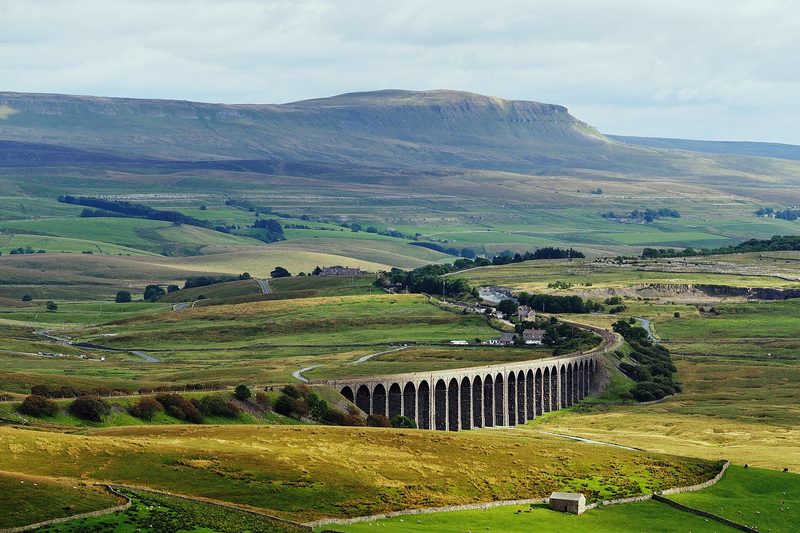
England's most celebrated main line, climbing from the Yorkshire Dales over Ribblehead Viaduct and Ais Gill summit into the Eden Valley.
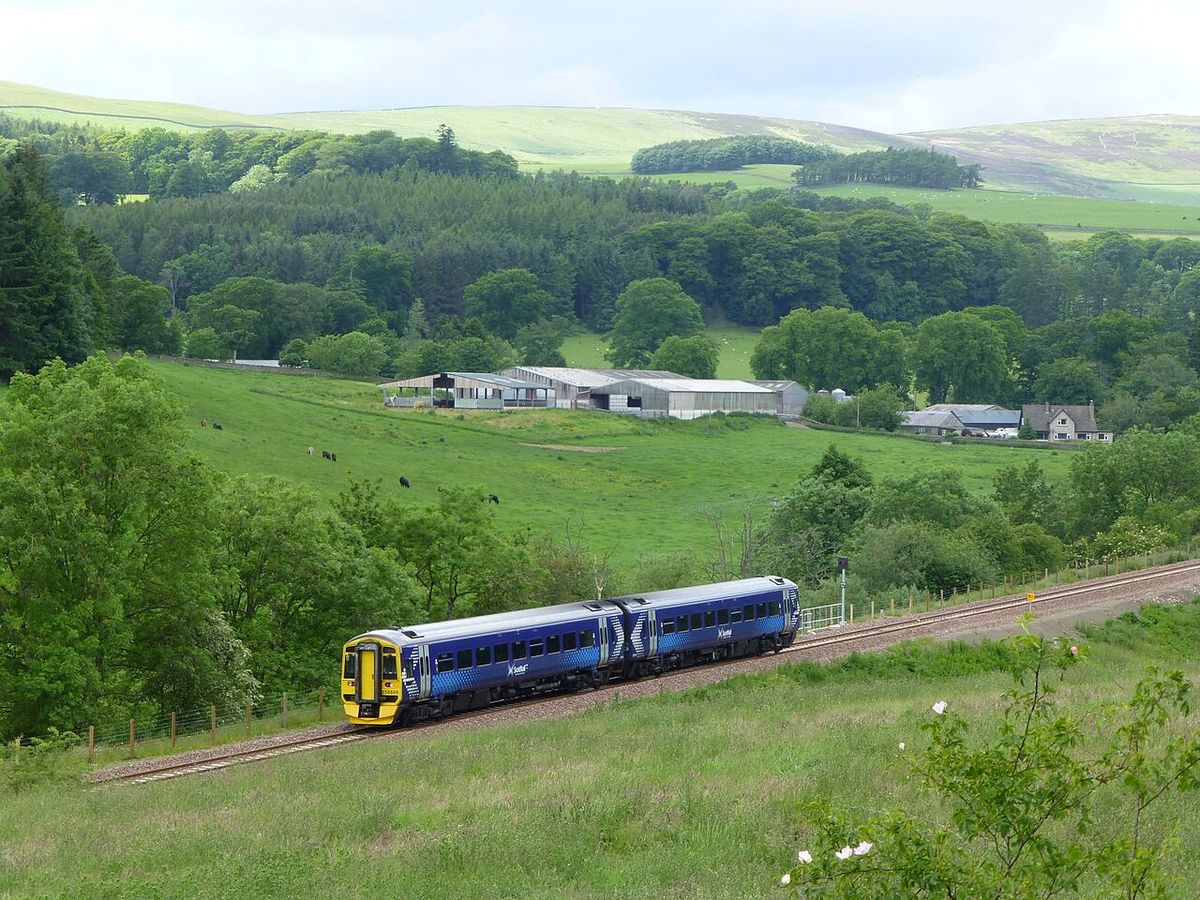
Photo: Garry Cornes, CC BY-SA 2.0, via Wikimedia CommonsBritain's longest new domestic railway for a century, reopened in 2015 along the Waverley Route from Edinburgh through the Moorfoots to Tweedbank.
The Borders Railway reopened on 6 September 2015, reinstating 30 miles of the old Waverley Route that closed in 1969. From Edinburgh Waverley it runs through the city's southern suburbs and Midlothian former mining country at Newcraighall, Shawfair, Eskbank, Newtongrange and Gorebridge, then climbs to Falahill summit at 880 feet.
Beyond the summit the line drops down the Gala Water through a string of viaducts and cuttings, past Stow to Galashiels and across the Tweed on the Redbridge Viaduct to the terminus at Tweedbank, half an hour's walk from Abbotsford, Sir Walter Scott's house, and a bus ride from Melrose Abbey.
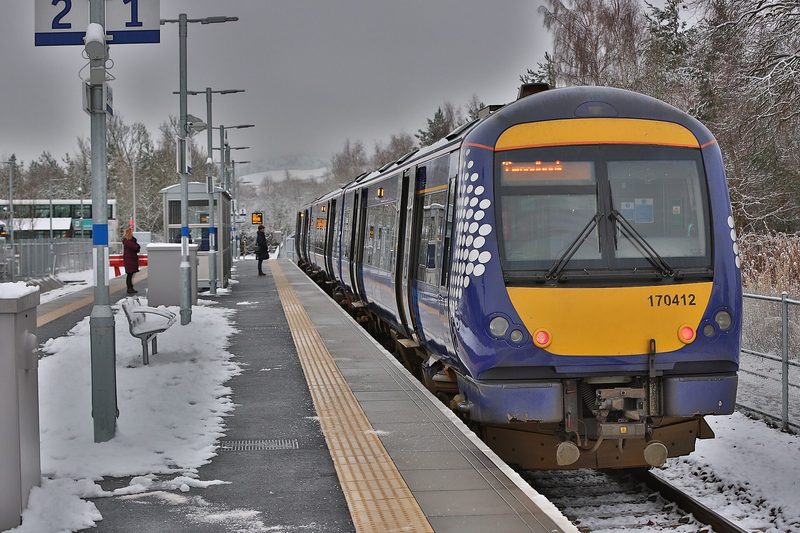
Class 158 and 170 diesel units work the line. Newtongrange, home of the National Mining Museum, and Stow are worth stops; a Campaign for Borders Rail continues to press for extension to Hawick and Carlisle.
The line criss-crosses the Gala Water, so the river and hills swap sides constantly; Arthur's Seat and the Eildon Hills are on the right.
Sides are given facing the direction of travel. Miles are approximate from the start of the journey.
Off-peak day returns are typically under £15; check the ScotRail app for current prices.
Abbotsford is a signed walk from Tweedbank; Borders Buses link the station with Melrose and the other Border towns.
Only in parts; most is single, which is why the timetable is a rigid half-hourly pattern.
Scenic lineEngland's most celebrated main line, climbing from the Yorkshire Dales over Ribblehead Viaduct and Ais Gill summit into the Eden Valley.
Scenic lineOften voted the world's most scenic railway: Loch Lomond, Rannoch Moor, Ben Nevis and Glenfinnan Viaduct on one ordinary ScotRail ticket.
Scenic lineCoast-to-coast across the Highlands from Inverness to the Skye ferry port, ending on a shelf blasted along the shore of Loch Carron.