Scenic lineSettle–Carlisle Line
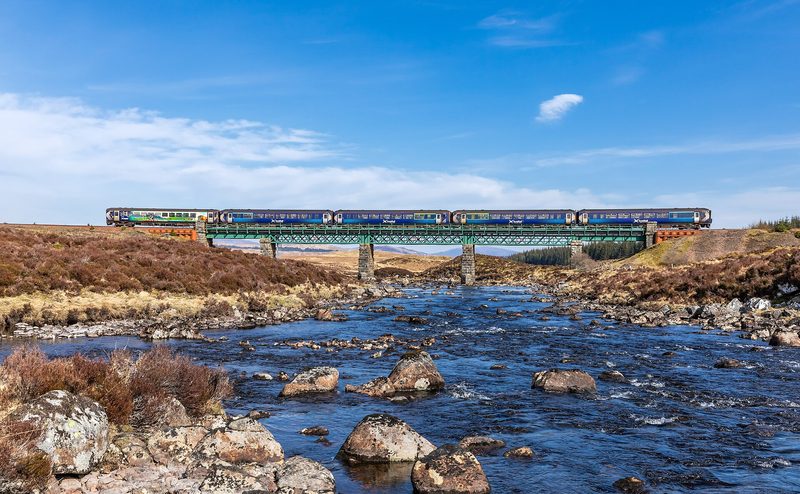
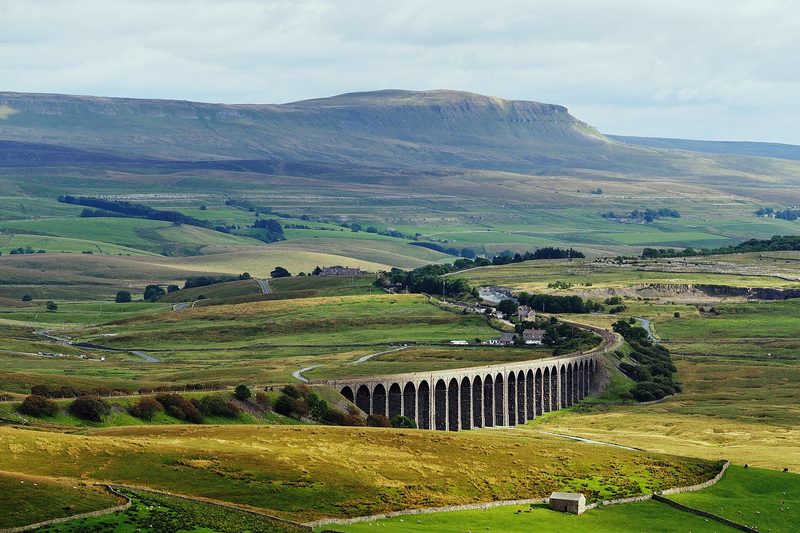
England's most celebrated main line, climbing from the Yorkshire Dales over Ribblehead Viaduct and Ais Gill summit into the Eden Valley.
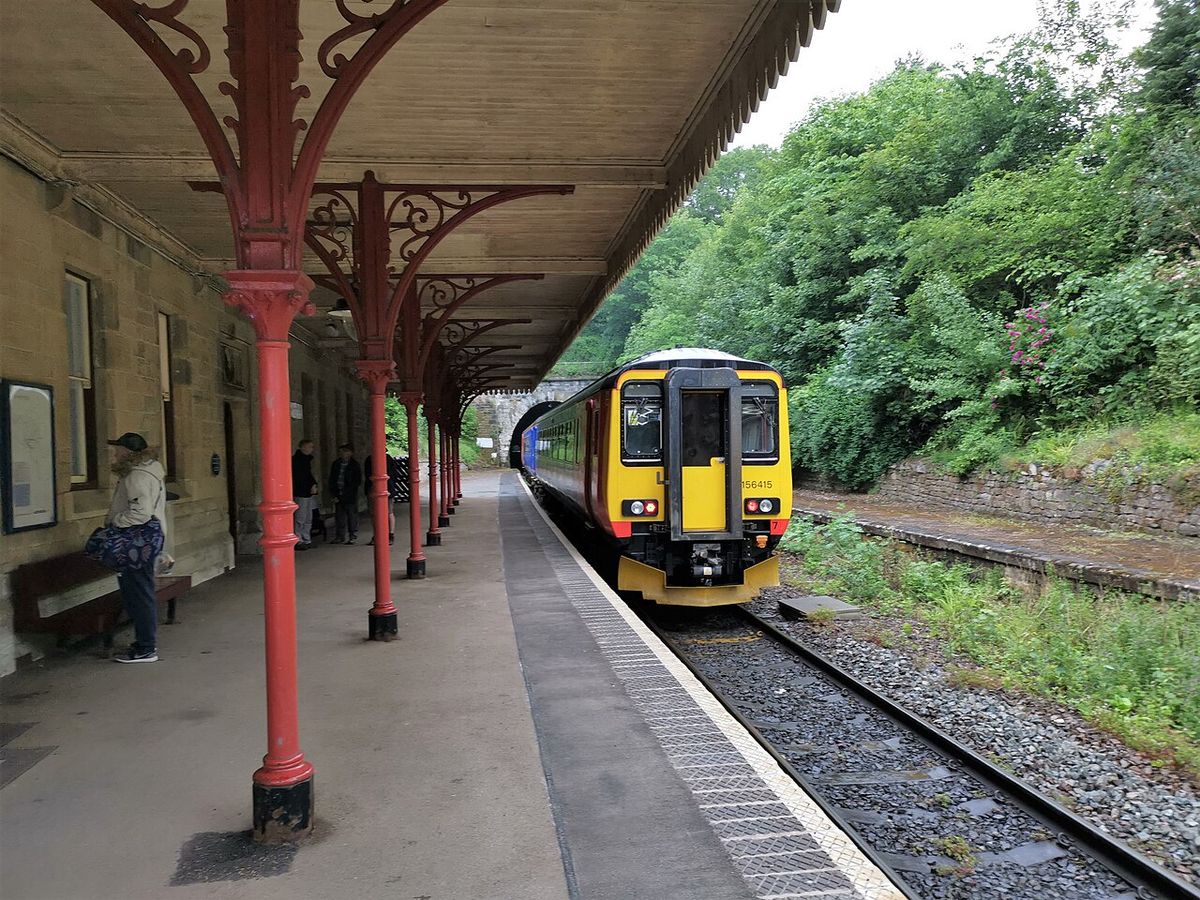
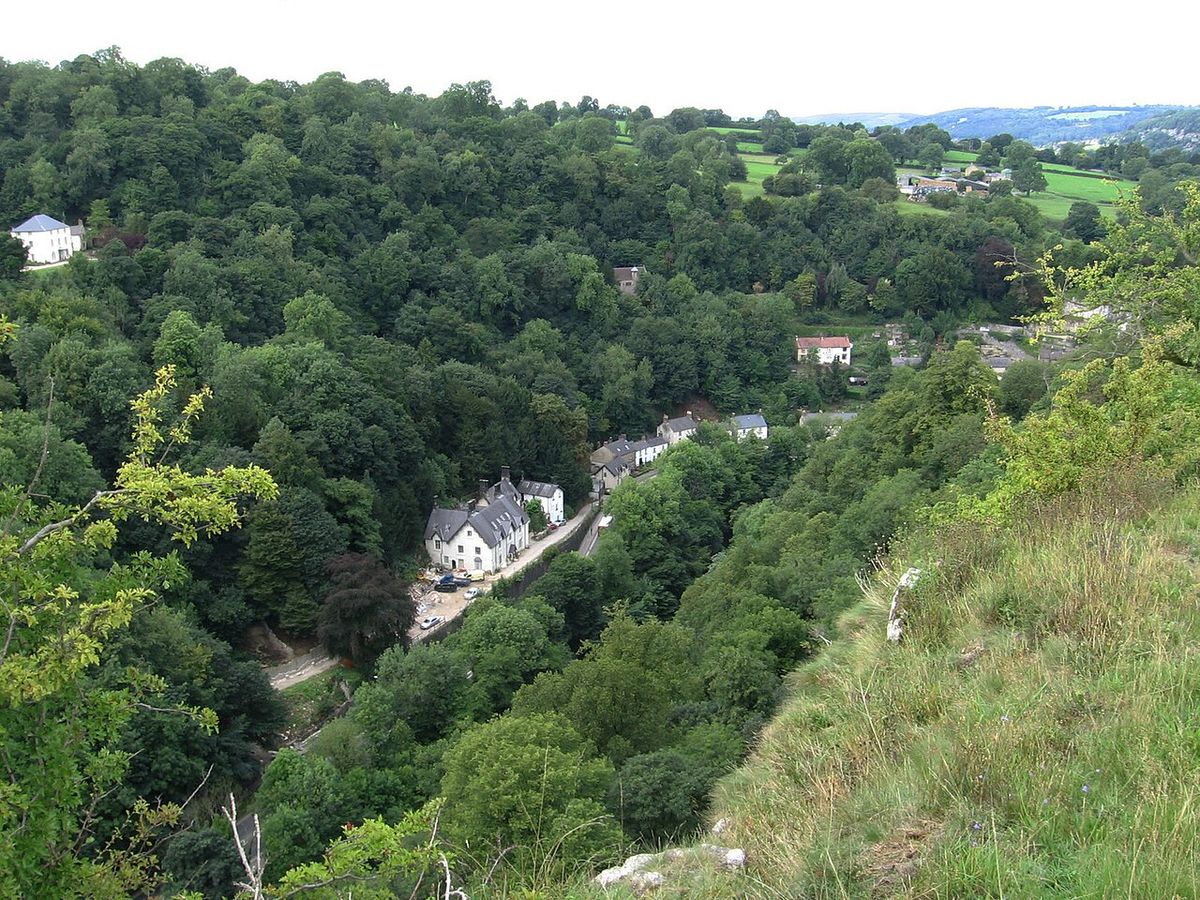
Photo: kitmasterbloke, CC BY 2.0, via Wikimedia CommonsUp the Derwent through the mills of the World Heritage Site at Belper and Cromford to Matlock Bath and Matlock, at the gateway to the Peak.
The Derwent Valley Line is the surviving stub of the Midland Railway's route from Derby to Manchester. It leaves Derby northwards through Duffield to Belper, where the line runs in a cutting behind Strutt's mills, then follows the Derwent through Ambergate, Whatstandwell and Cromford, where Arkwright's 1771 mill began the factory system. The whole valley from Derby to Matlock Bath is the Derwent Valley Mills World Heritage Site.
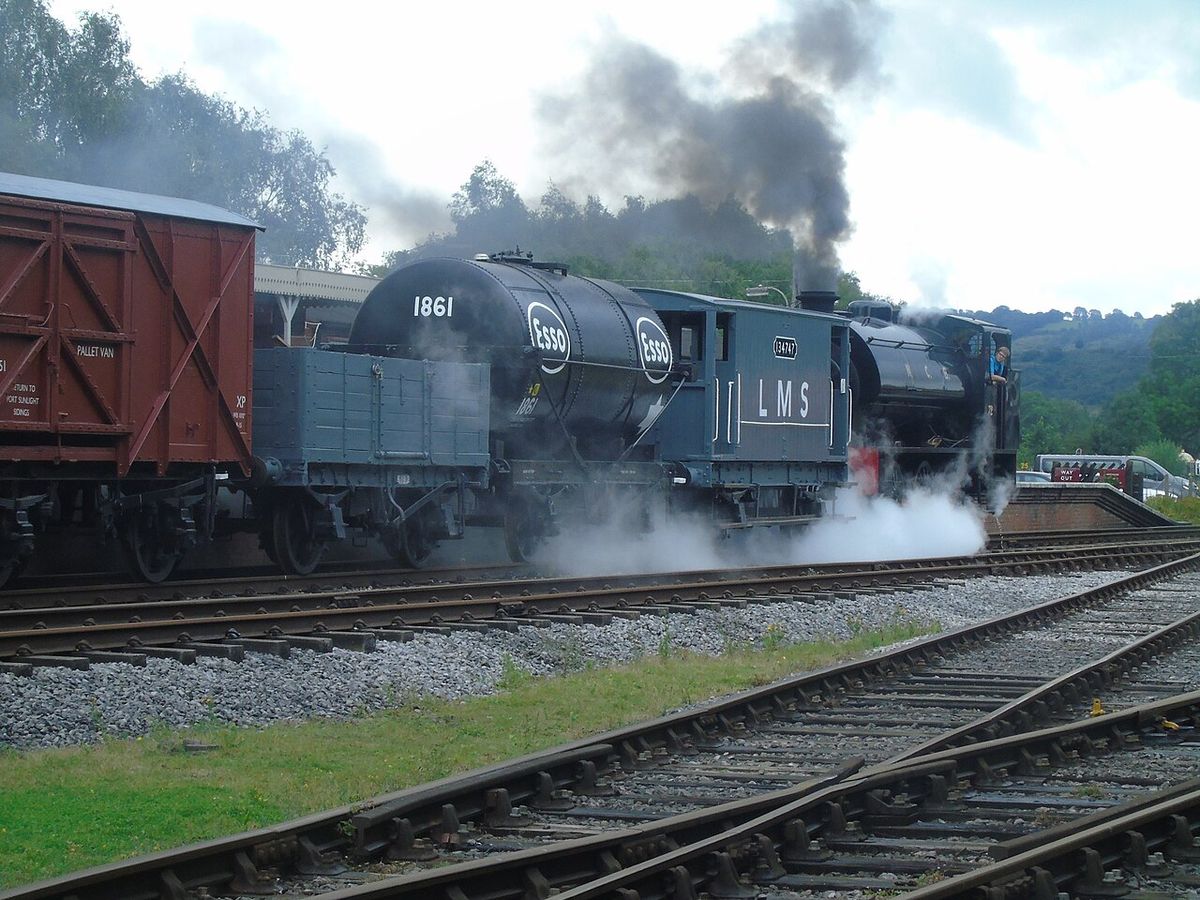
At Matlock Bath the line runs beneath the limestone gorge with the Heights of Abraham cable car overhead, then ends at Matlock, where Peak Rail's heritage trains continue to Rowsley South.
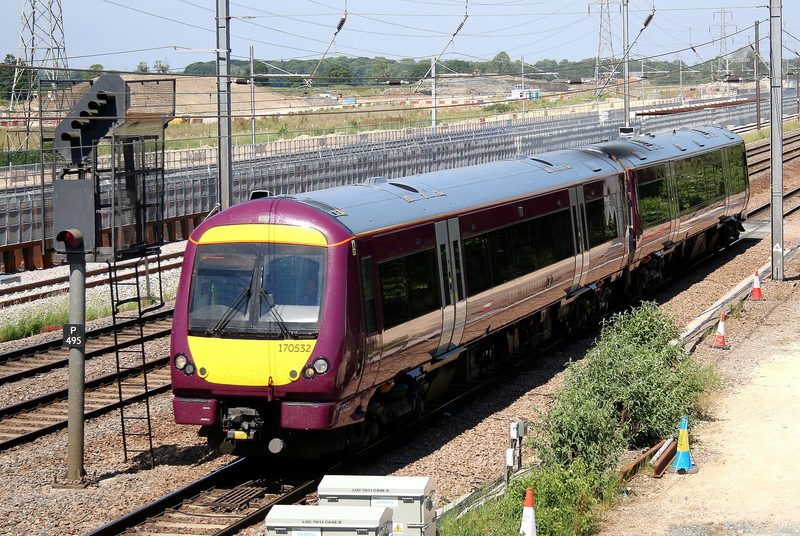
East Midlands Railway Class 170 units work the service. Belper, Cromford and Matlock Bath are all worth a stop, and the Derbyshire Wayfarer at £17 covers the line and the county's buses.
The Derwent Valley Line partnership says the river, Cromford Canal and mills are best seen from the left facing forward from Derby.
Sides are given facing the direction of travel. Miles are approximate from the start of the journey.
Not by train; buses from Matlock run to Bakewell and Buxton, and Peak Rail reaches Rowsley.
Yes, most services start from Nottingham and run through Derby to Matlock.
The Derwent Valley Heritage Way follows the river; Cromford to Whatstandwell along the canal is a good short stretch.
Scenic lineEngland's most celebrated main line, climbing from the Yorkshire Dales over Ribblehead Viaduct and Ais Gill summit into the Eden Valley.
Scenic lineOften voted the world's most scenic railway: Loch Lomond, Rannoch Moor, Ben Nevis and Glenfinnan Viaduct on one ordinary ScotRail ticket.
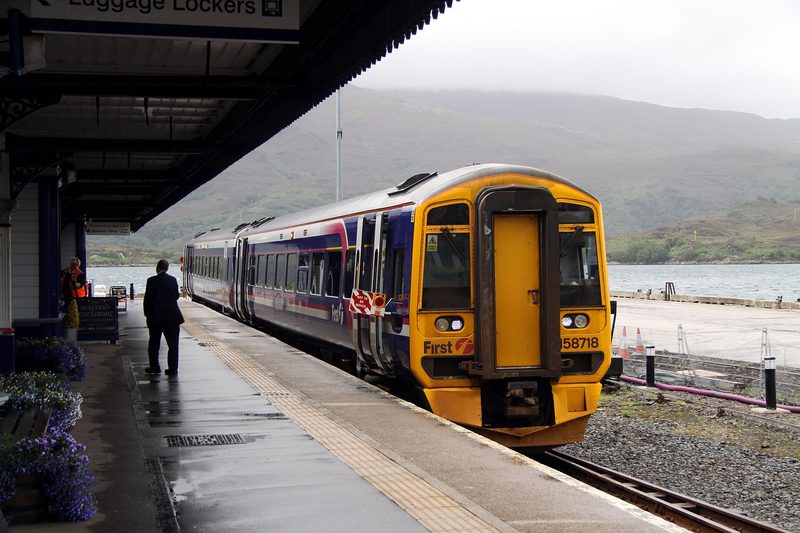
Scenic lineCoast-to-coast across the Highlands from Inverness to the Skye ferry port, ending on a shelf blasted along the shore of Loch Carron.